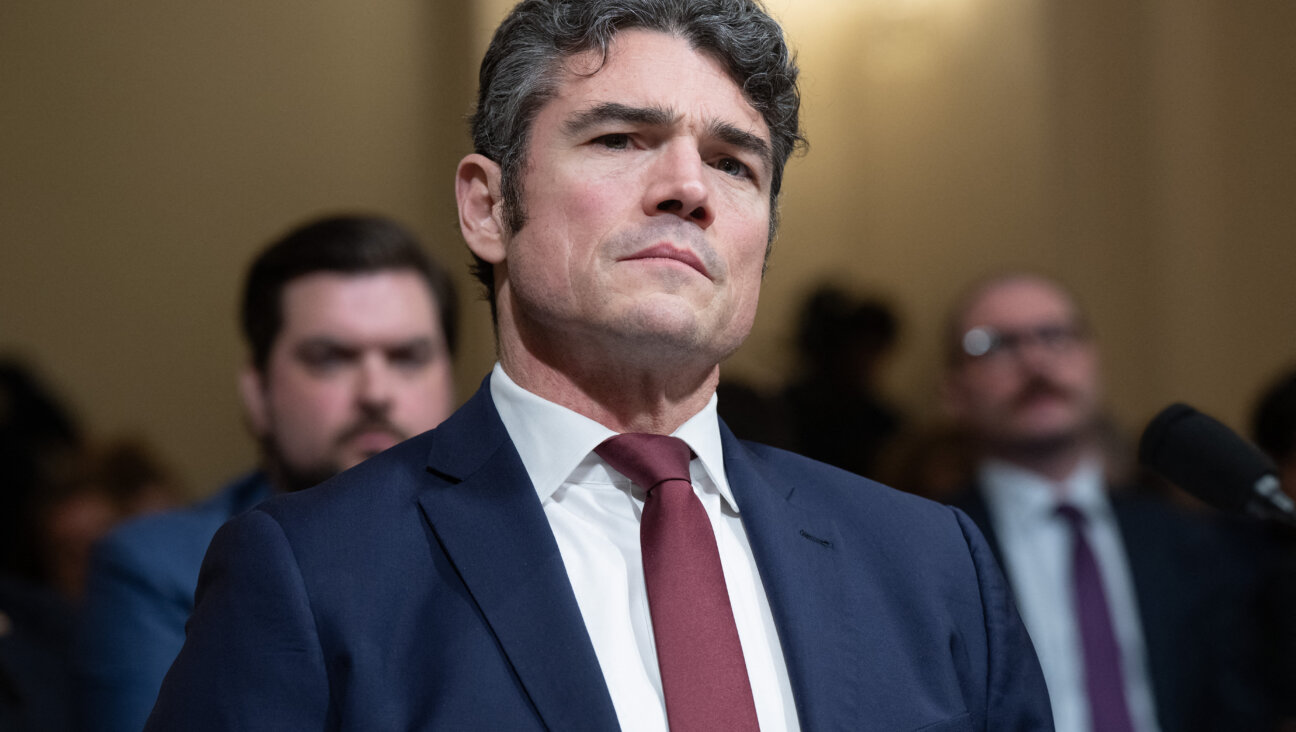
David Yerushalmi
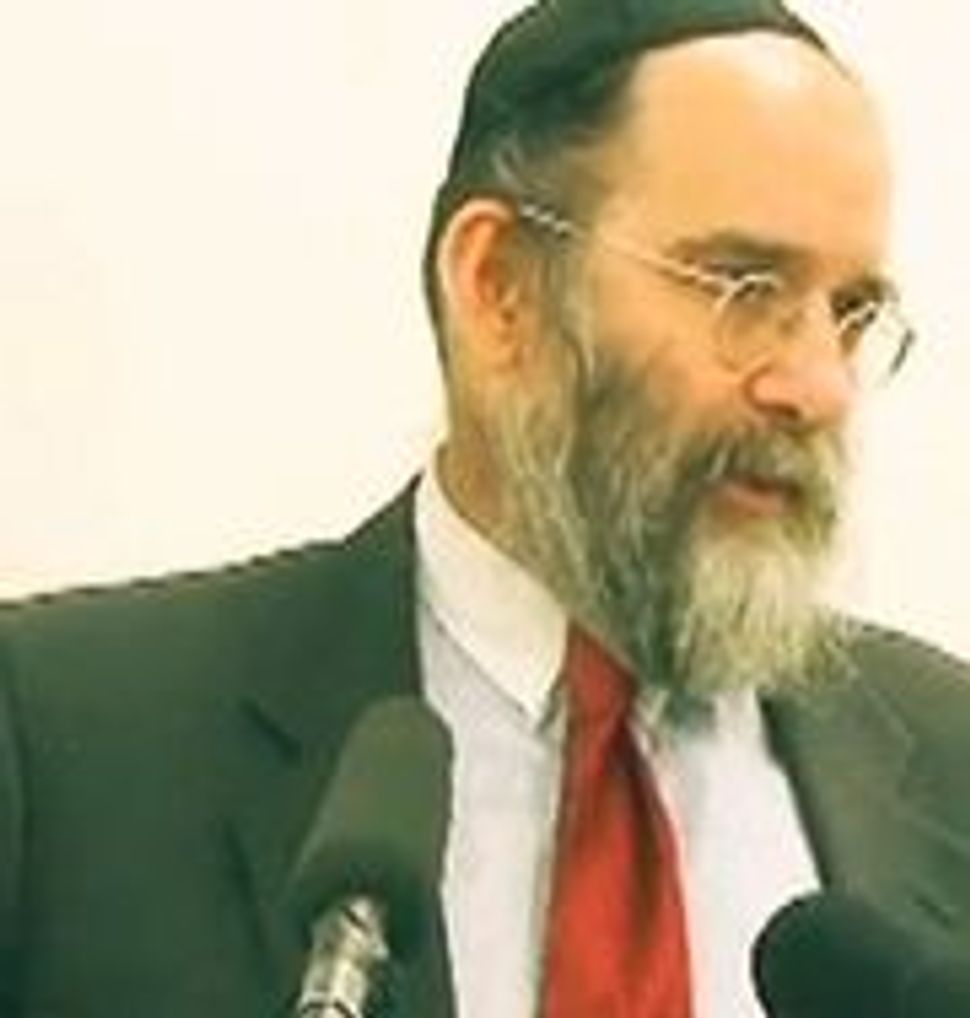
Image by YOUTUBE
Over the last 18 months, about two dozen state legislatures have taken up bills that would restrict judges from consulting Shariah, or traditional Islamic law, in their rulings. Three states have passed such laws.
It is a wave that began five years ago in the Crown Heights office of lawyer David Yerushalmi, a 56-year-old Lubavitch-affiliated Jew with a history of controversial statements about race, Islam and other Jews. It was Yerushalmi’s model legislation for these bills that a network of conservative groups sponsored and then pushed to get state legislatures to adopt. Critics question the legislation’s constitutionality as well as the view of Shariah as a creeping threat to America’s legal system.
Yerushalmi’s new initiative, called “The Mapping Shari’a Project in America,” unveiled its initial offering this past summer: a study of 100 American mosques that purports to show a direct link between Shariah law and support for “violent jihad.” Mainstream scholars have disparaged Yerushalmi’s research. But Yerushalmi has demonstrated an ability to edge his ideas into the mainstream, despite denunciations from hate-group watchdogs such as the Anti-Defamation League.
Yerushalmi is also targeting a broader enemy than Islam: liberal democracy. In his writings, he emphasizes America’s roots as a white, male-dominated, Christian country and criticizes political correctness for discouraging the discussion of why “the founding fathers did not give women or black slaves the right to vote.” Yerushalmi singles out “the radical liberal Jew” as an especially destructive agent in spreading liberal doctrines that, in his view, place international law above nationhood — including in Israel.
This is a moment of great uncertainty. Here’s what you can do about it.
We hope you appreciated this article. Before you go, we’d like to ask you to please support the Forward’s independent Jewish news this Passover.
This is a moment of great uncertainty for the news media, for the Jewish people, and for our sacred democracy. It is a time of confusion and declining trust in public institutions. An era in which we need humans to report facts, conduct investigations that hold power to account, tell stories that matter and share honest discourse on all that divides us.
With no paywall or subscriptions, the Forward is entirely supported by readers like you. Every dollar you give this Passover is invested in the future of the Forward — and telling the American Jewish story fully and fairly.
The Forward doesn’t rely on funding from institutions like governments or your local Jewish federation. There are thousands of readers like you who give us $18 or $36 or $100 each month or year.
Support our mission to tell the Jewish story fully and fairly.