
This is the Forward’s coverage of Jewish culture where you’ll learn about the latest (and sometimes earliest) in Jewish art, music (including of course Bob Dylan and Leonard Cohen), film, theater, books as well as the secret Jewish history of…
Culture
-

‘My mayor Muslim, my bagel Jewish’ — the Knicks chant capturing New York’s soul
The viral sports chant captures the city's diversity, and its ability to unite in single-minded sports mania
-
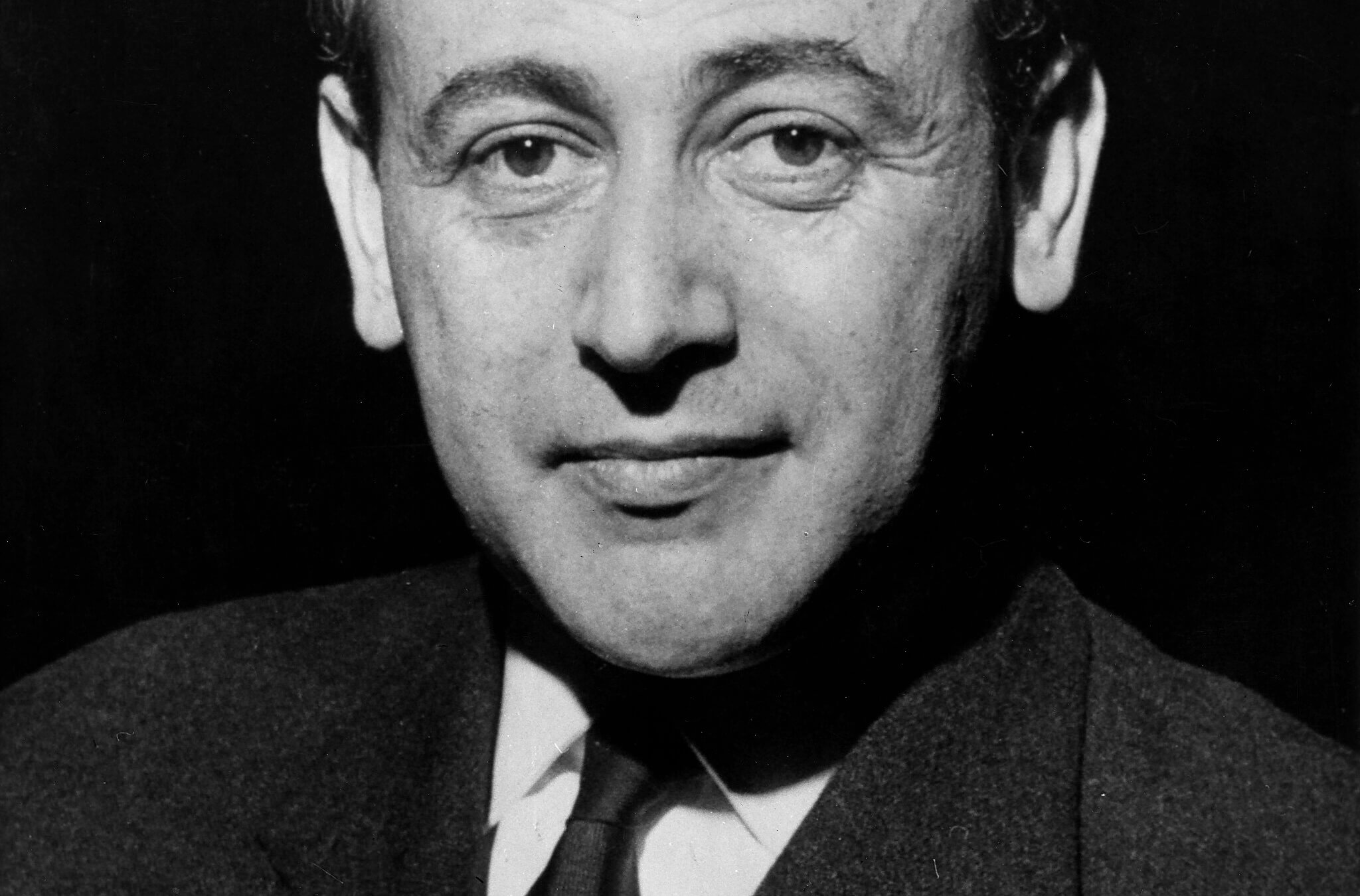
Books The visionary Jewish poet who survived the Holocaust but not its aftermath
Anna Arno's intelligent and intricate biography tells the tragic story of Paul Celan
-

Theater ‘The Naked Woman’ asks — what would Jewish Chekhov look like?
The tragicomedy takes inspiration from the Russian master, giving him an American spin
The Latest
-
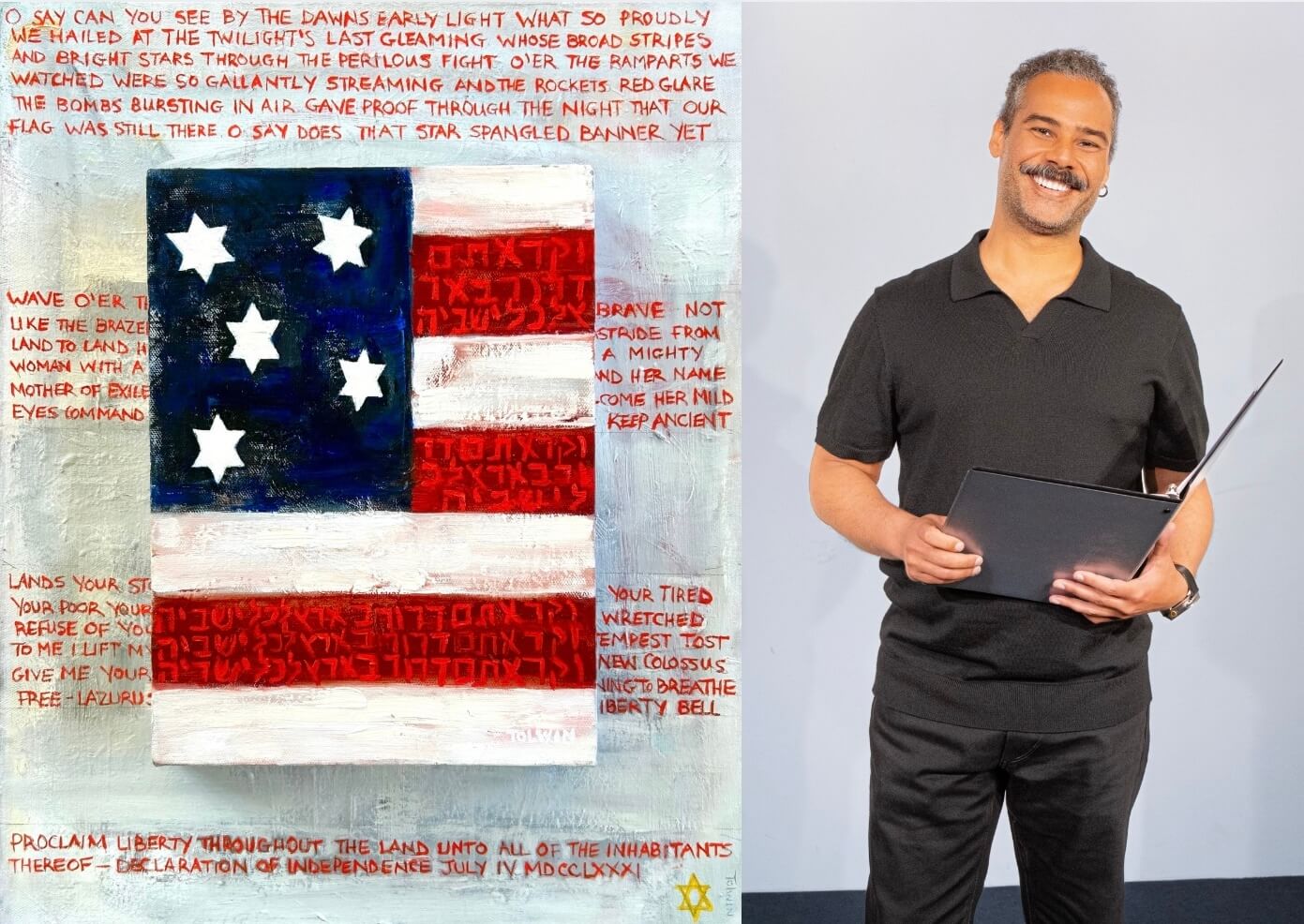
Theater They helped elect Los Angeles’ first Black mayor; but to him, they were just Bob and Shirley
In "L'Chaim America," Joshua Silverstein honors the Jewish couple who helped elect Tom Bradley
-
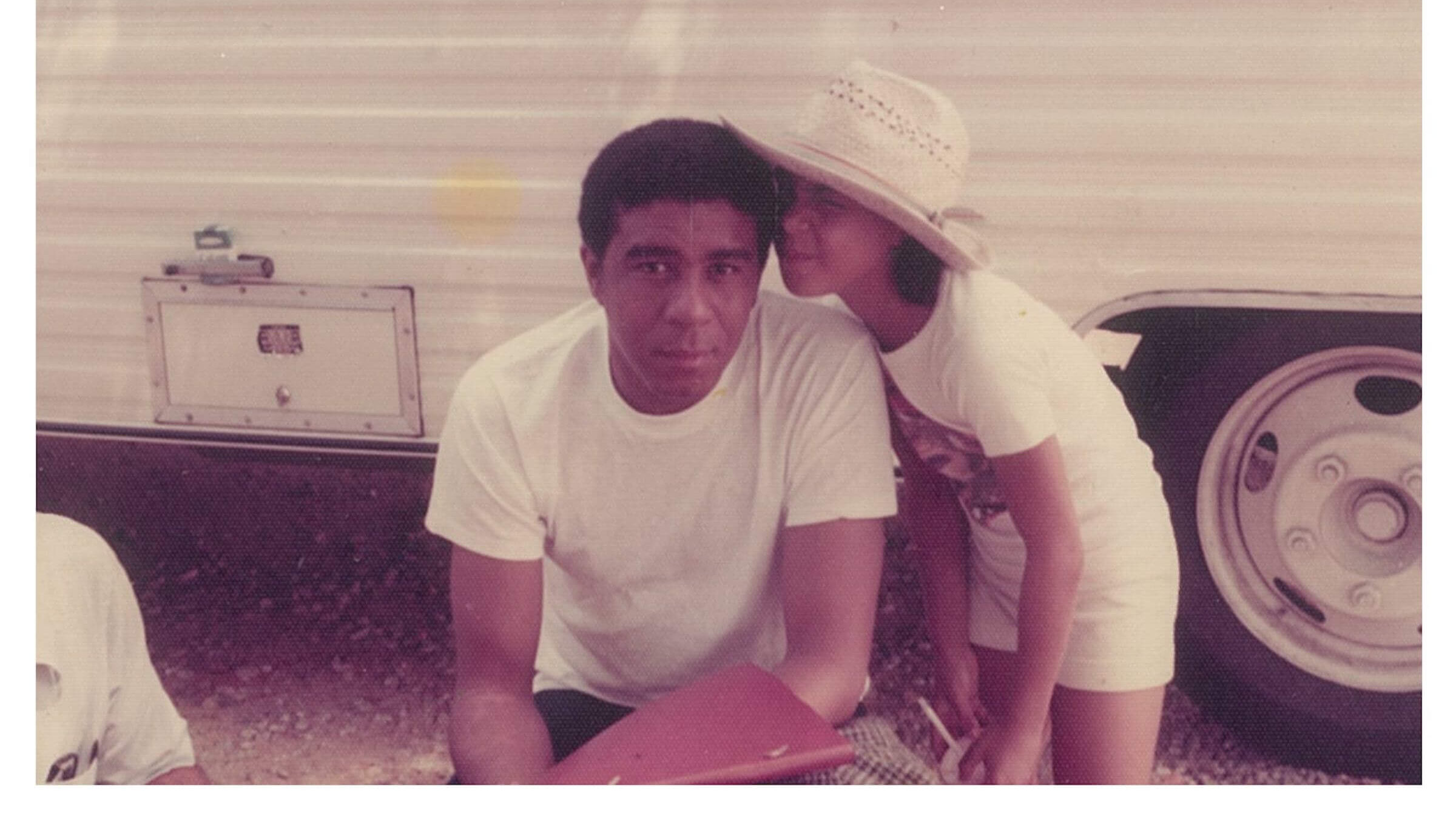
Books In ‘Something We Said,’ Richard Pryor’s daughter finds words to discuss the unspeakable
Elizabeth Pryor unpacks ‘the n-word’ as a professor, a Black-Jewish woman, and the kid of the man who transformed the word forever
-

Film & TV A Hasidic wedding entertainer tries to keep up with the times — if his ego will let him
In Gidi Dar's latest film, a struggling alcoholic strives to rebuild his career with kabbalah and blackmail
-
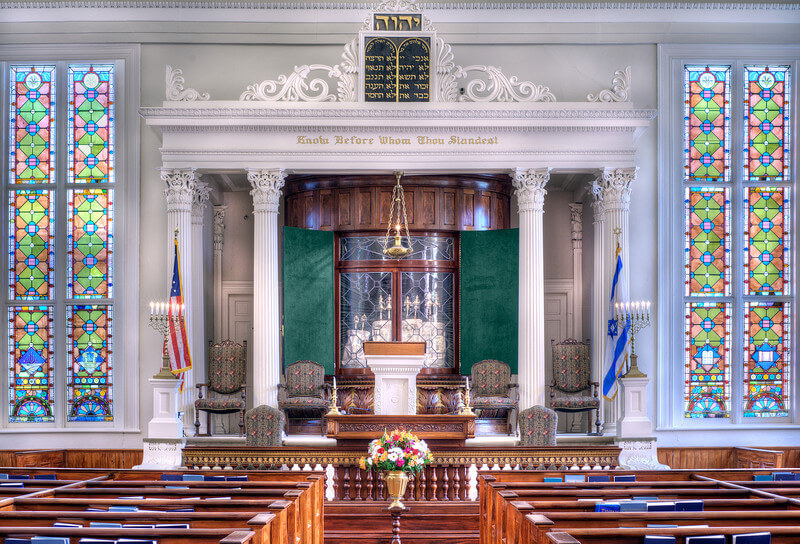
An organ divided a synagogue. The fallout helped create Reform Judaism.
'Happyland' tells the true story of a synagogue in antebellum South Carolina
-
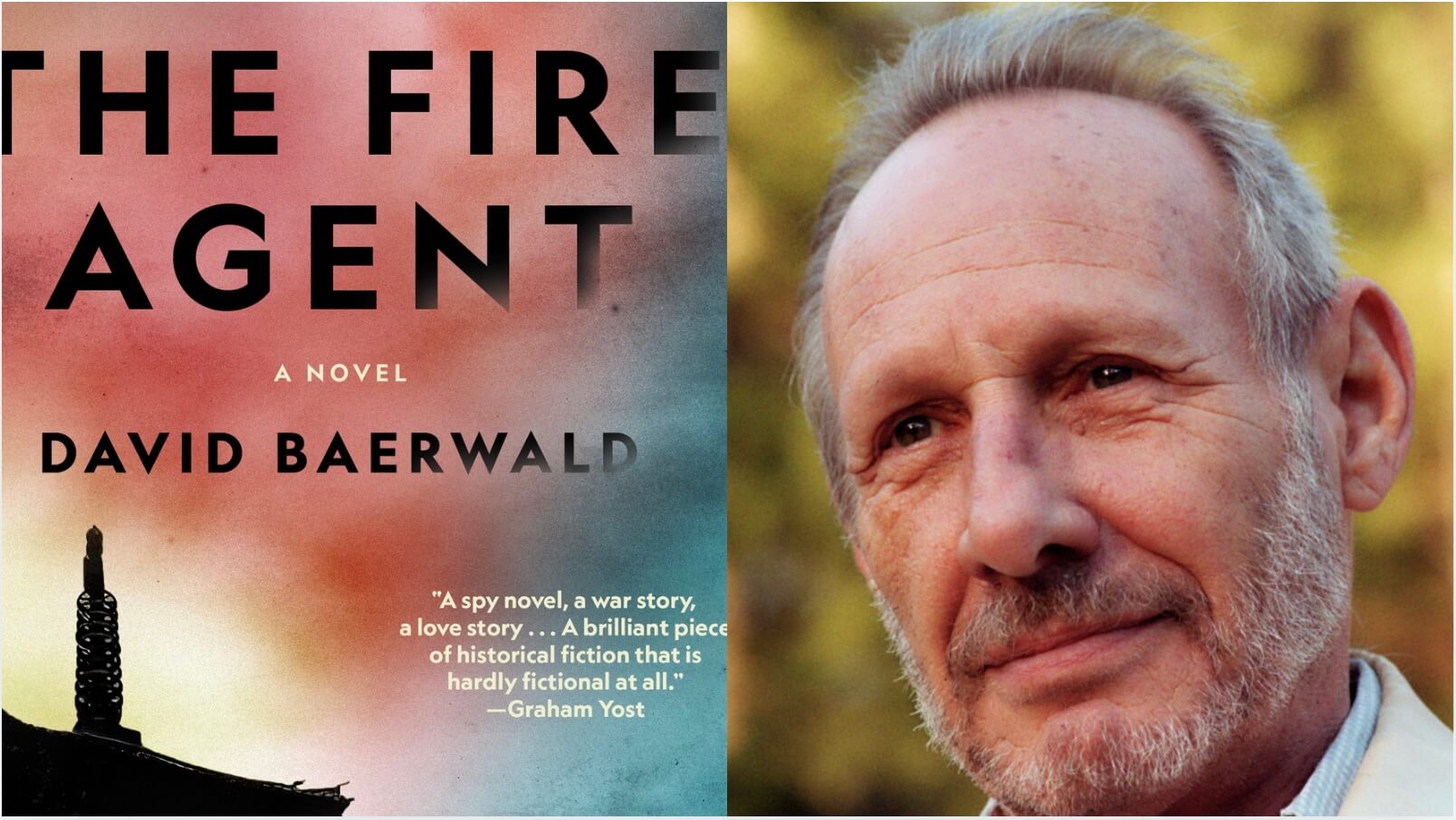
Books In David Baerwald’s epic tale of espionage and wartime horrors, family history is stranger than fiction
Veteran musician and first-time novelist Baerwald tells his grandfather Ernst's incredible story in 'The Fire Agent'
-
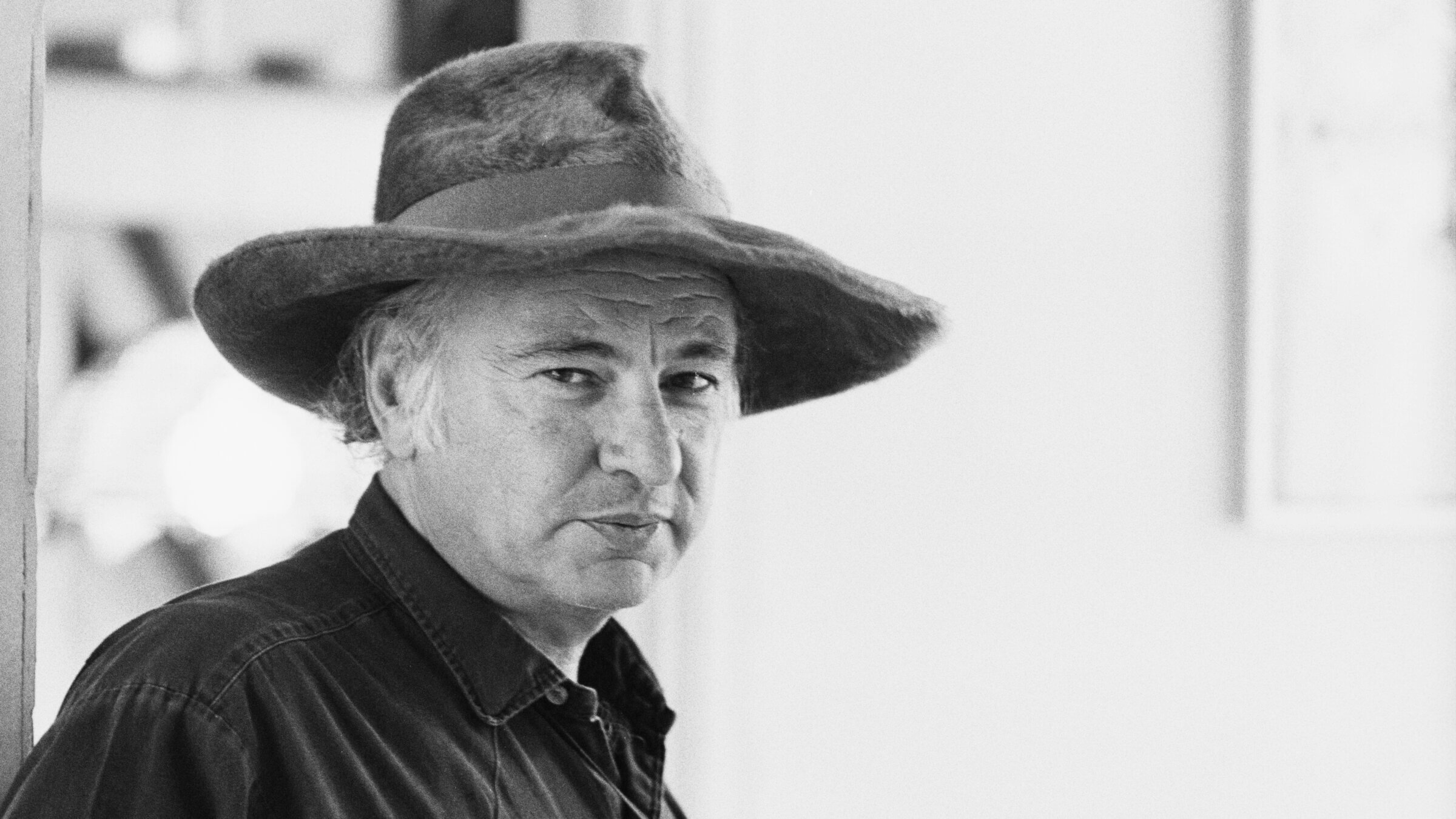
In the course of his 104 years, he resisted the Nazis, fought against blood libel and became a towering Jewish intellectual
Edgar Morin reveled in the complexity of events; his life became an expression of his philosophy
-

That time Allen Ginsberg wrote a Socialist poem — about Bernie Sanders
In the senator from Vermont, the 'Howl' author found a muse
-
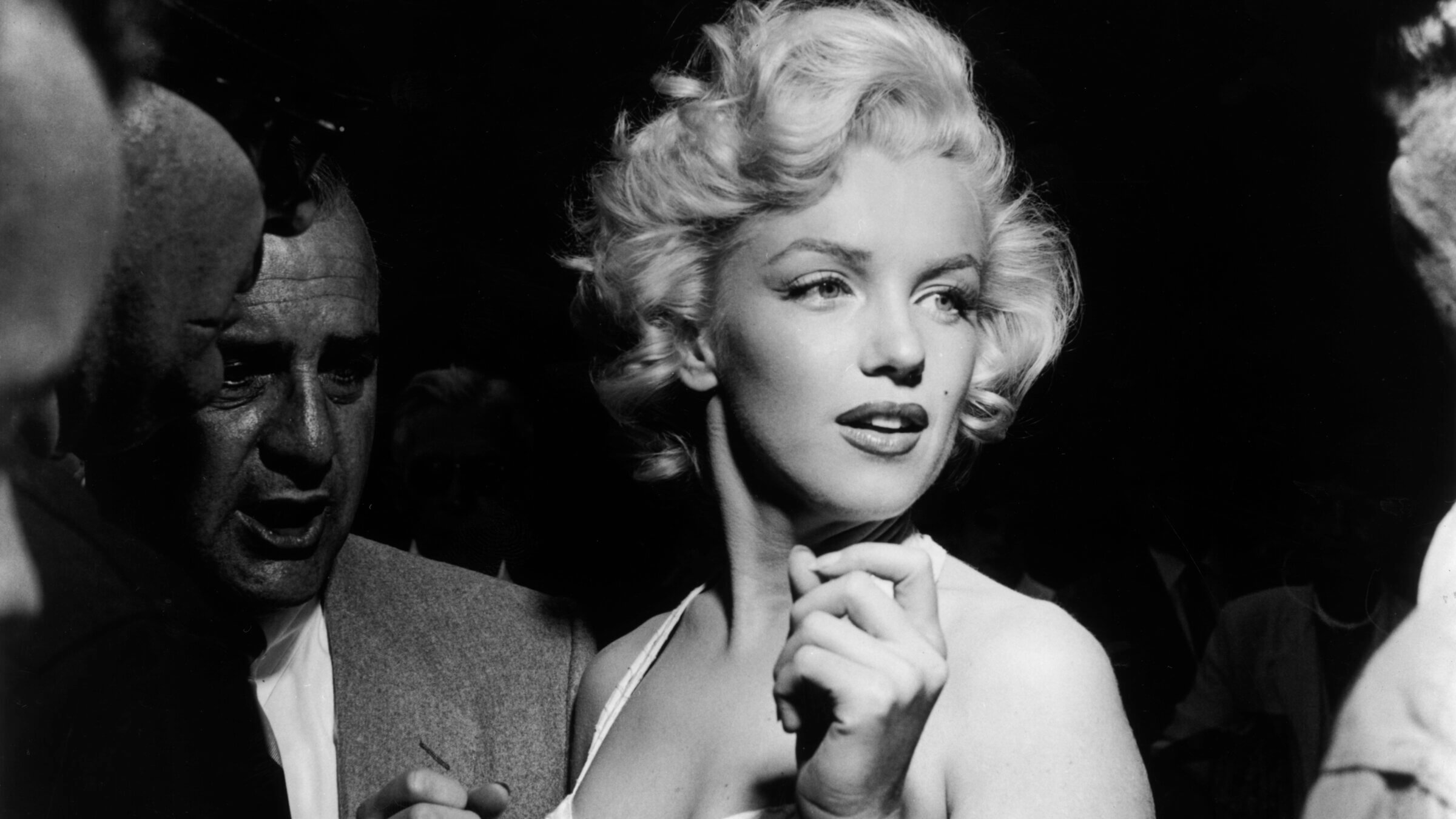
Letters The real reason Jews care about Marilyn Monroe
It's not just that she didn't 'look Jewish' or that she made an odd pair with Arthur Miller
Explore
Most Popular
- 1

Opinion New York’s Israel Day parade was a shanda — but not because of Mamdani
- 2

Books In ‘Something We Said,’ Richard Pryor’s daughter finds words to discuss the unspeakable
- 3

Opinion It’s time for Jews who love Israel to give up on Zionism
- 4

Opinion Israeli and diaspora Jews live in different realities. The Israel Day parade proved it
In Case You Missed It
-

Fast Forward ‘This is sort of their normal’: Israelis confront yet another wartime flare after Iranian fire
-

Fast Forward Celebrated German Jewish bakery closes, saying ‘the hatred reached Berlin’ after Oct. 7
-
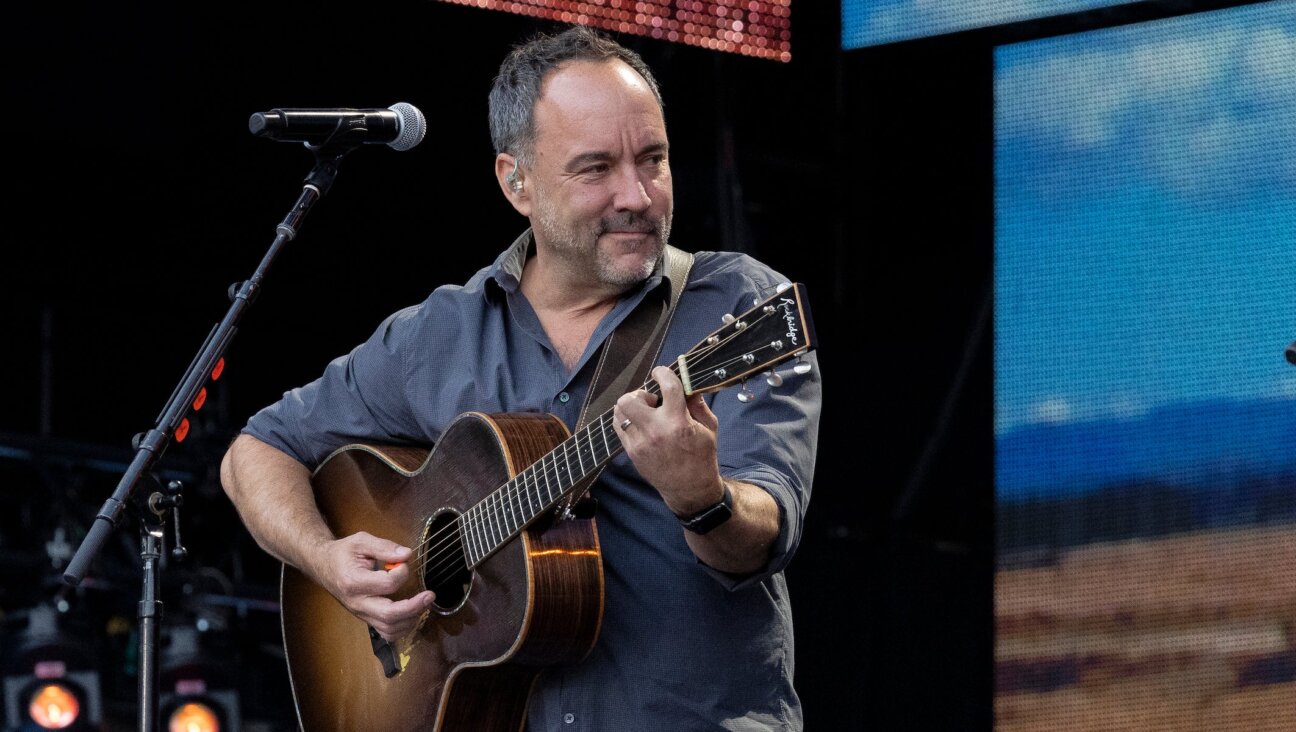
Fast Forward Dave Matthews pushes back on claims his criticism of Israel is antisemitic
-

Sports Memes, mashiach and ‘Torah-cyclopedias’ put a Jewish twist on the Knicks’ title chase