



Philologos
By Philologos
-

Culture Why saying ‘L’shana Tova’ on Rosh Hashanah may not be the correct phrase
Many Jews (and non-Jews) seek advice about the proper grammar and usage of the well-known Rosh Hashanah greeting, 'Shana Tova'
-

Culture Phil, We Hardly Knew Ye — Or Should We Say Vous?
Zev Shanken writes from Teaneck, New Jersey: “Your comments on profanity in your November 7 column reminded me of a discussion I once had with a native French speaker who asked if there is an English equivalent to the French distinction between tu, the familiar form of ‘you’ in the second-person singular, and vous, the…
-

Culture Could Spoken Language Be the Key to Unification?
A newly published book, Norman Berdichevsky’s “Modern Hebrew: The Past and Future of a Revitalized Language,” is an excellent survey of its subject. In just 200 pages, Berdichevsky manages to touch succinctly but informatively on nearly every aspect of Zionism’s successful revival of Hebrew as the spoken language it had not been for two millennia…
-
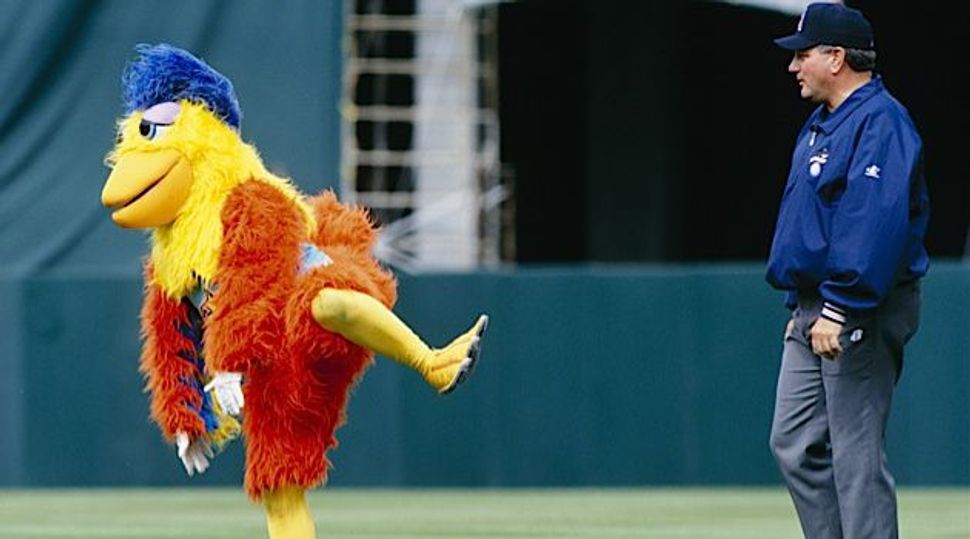
News Chickenshit: The Sequel
A number of you have written to correct my November 14 column on the use of the word “chickensh–” by an anonymous White House official, in talking to The Atlantic magazine, to describe the Israeli prime minister, Benjamin Netanyahu. The correctors all make the same point: I was wrong in thinking that “chickensh–” meant cowardly….
-

News At Least Six Degrees of Wisdom and Nuttiness
Forward reader David Wexler calls my attention to an article in the October 10 issue of this newspaper about Greg Wall, a saxophone-playing, shofar-blowing, Talmud-teaching rabbi from Norfolk, Connecticut. “In addition to being a Talmud khokhem, or smart man,” the article’s author, Jon Kalish, wrote, “Wall… knows a mainsail from a jib, having taught at…
-
Culture The Epic Battle Between Chicken and Chickenshit
I don’t know about you, but being called “chickenshit,” even if it wasn’t by a high White House official, would make my blood pressure rise. Tell me I’m “afraid” to do this or that, and I might disagree or resent it, but it wouldn’t make me want to punch you in the nose. Change that…
-

News Culture Dispute Is All Aramaic to Us
Some of you may have been following the stories from Israel about a small group of Christian Arabs from the Galilee successfully petitioning the Israeli Ministry of Interior to register them as “Aramaeans” rather than Arabs. Led by a Greek Orthodox priest, Gabriel Nadaf, this same group has also been active in encouraging young Israeli…
-

News Political Correctness Doesn’t Make Speech More Meaningful
Not too long ago I found myself in an argument — civilly conducted, I must say — with a friend of one of my daughters, a young man of emphatically liberal views who teaches sociology at a college in Israel. In the name of gender equality, he said, he was careful to address his classes…
Explore
Most Popular
- 1

Fast Forward USC cancels commencement speech from Muslim valedictorian after she shared link to anti-Israel website
- 2
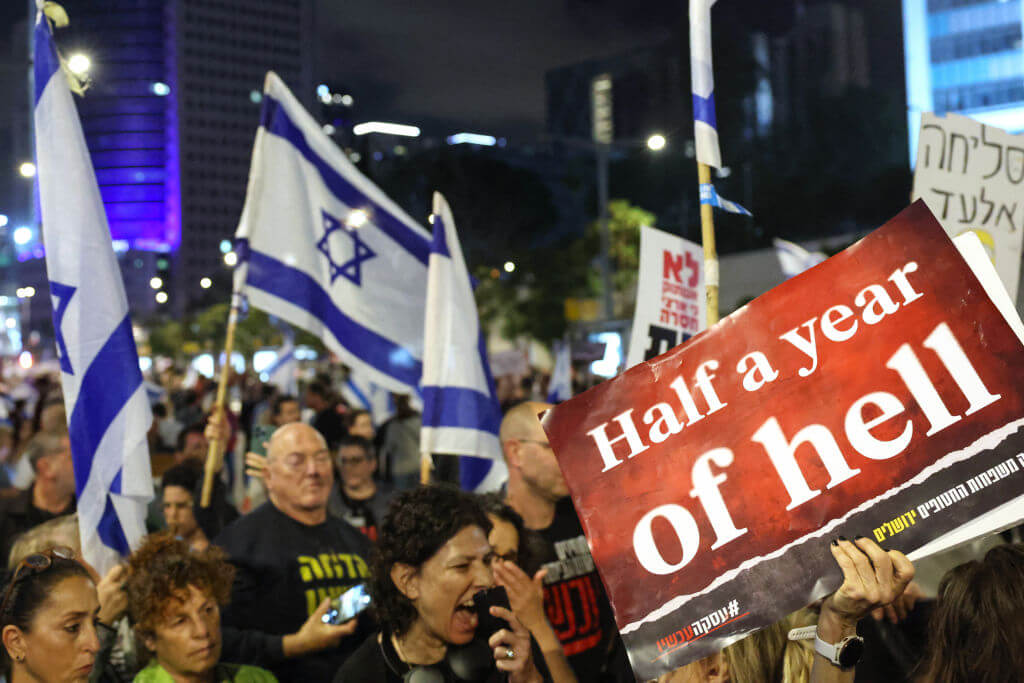
Fast Forward Hamas says it cannot produce 40 hostages meeting criteria for ceasefire deal, according to reports
- 3

Fast Forward 2 House members lead the charge to oust the speaker. Both have been accused of trafficking in antisemitism.
- 4

News ‘This is not your house’: Anti-Israel protester disrupts Berkeley law dean’s backyard dinner, refuses to leave
In Case You Missed It
-

News ‘His last name was Bernstein’: Exchange over yarmulke brings antisemitism into focus in murder trial
-
Fast Forward USC Shoah Foundation distances itself from pro-Palestinian valedictorian whose speech was canceled
-
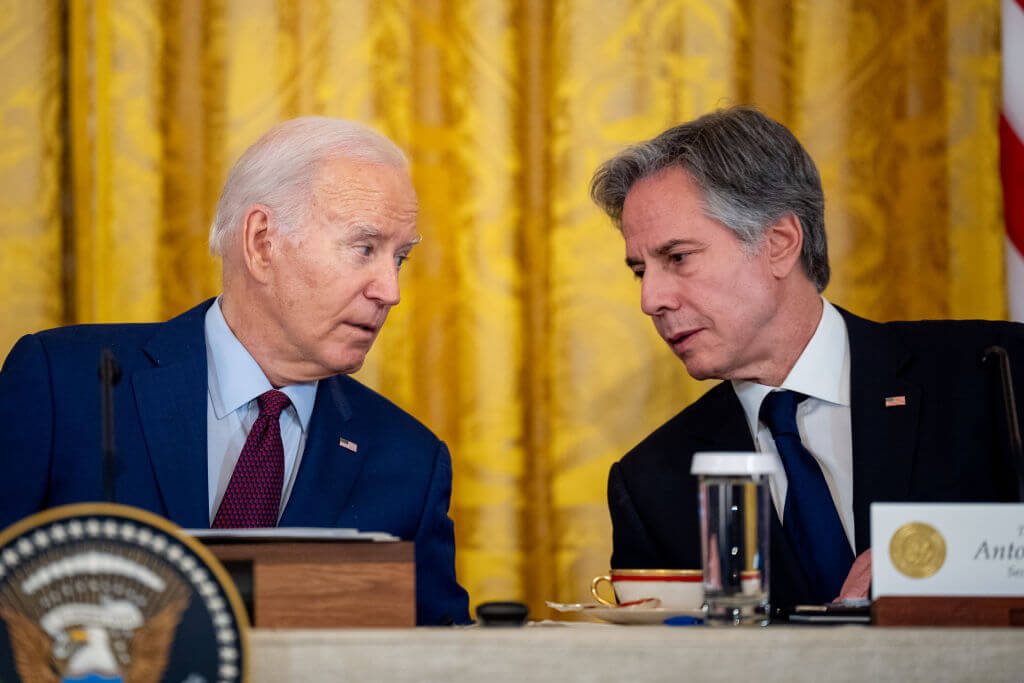
Fast Forward In private meeting with Jewish leaders, Blinken addresses US rifts with Israel
-

Opinion The head of the largest Christian Zionist organization is no friend to Israel — he wants an apocalypse there
Engage
-
Catch Up on Yiddish Events

-
Shop the Forward Store
100% of profits support our journalism




