What They’re Waiting For
Israel’s leaders seemed to respond with gratification and discomfort in almost equal measures to the outpouring of warmth they received at the United Nations this month during the opening ceremonies of the world body’s 60th anniversary summit. It was a welcome they’d longed for, but it came with conditions.
Prime Minister Sharon, whose very name was for decades anathema in the glass tower on the East River, found himself wined, dined and hailed for his courage and vision. His foreign minister, Silvan Shalom, delivered his annual General Assembly address to a gathering that was chaired — for the first time since 1963 — by Israel’s own ambassador. European and Arab leaders were friendlier toward the Israelis than they have been in years.
More substantively, Israeli officials described breakthrough contacts with Muslim nations, including Indonesia and Pakistan, the two largest, that had refused for 57 years to have any dealings with the Jewish state.
Israelis pronounced themselves pleased at their unaccustomed acceptance, but they couldn’t help asking, like the demanding Jewish parent of lore: What happened to the rest of it? In one forum after another, officials from the foreign minister down to the lowliest diplomatic aide wondered aloud why the Muslim states couldn’t simply finish the job and establish full diplomatic relations with Israel. What, they asked repeatedly, are you waiting for?
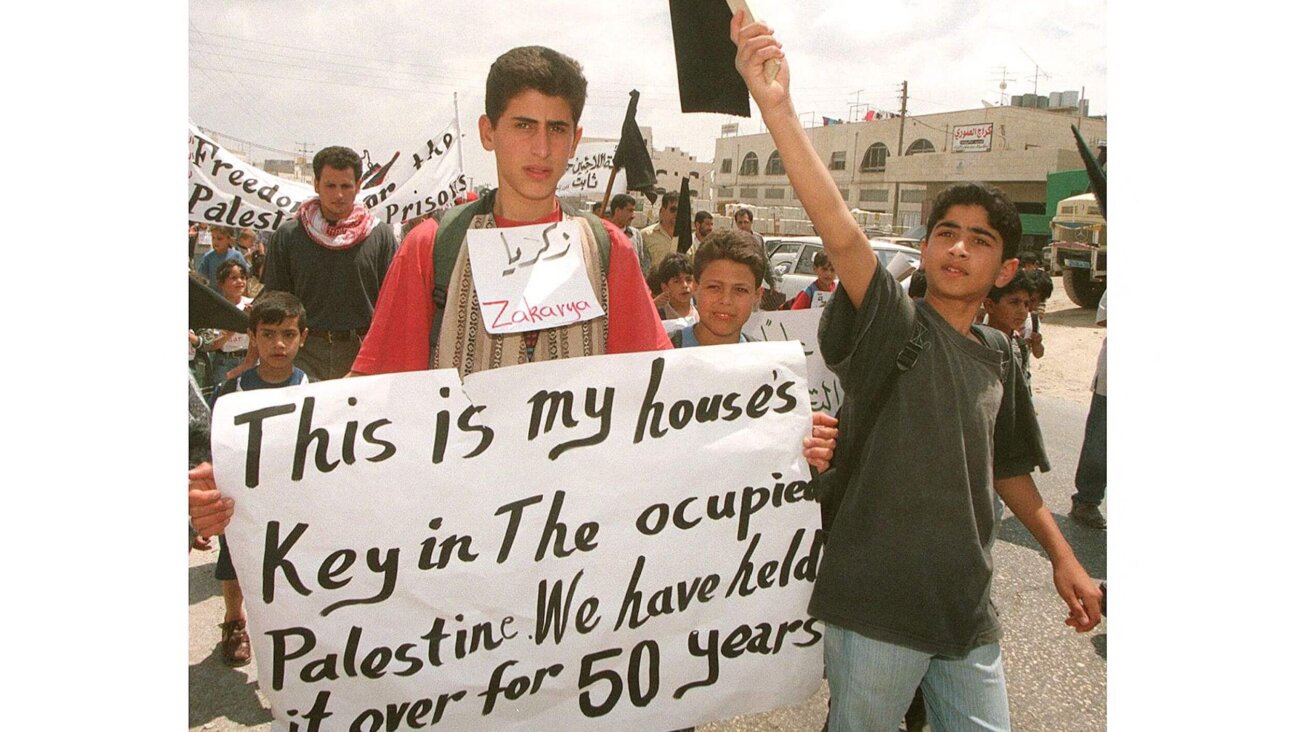
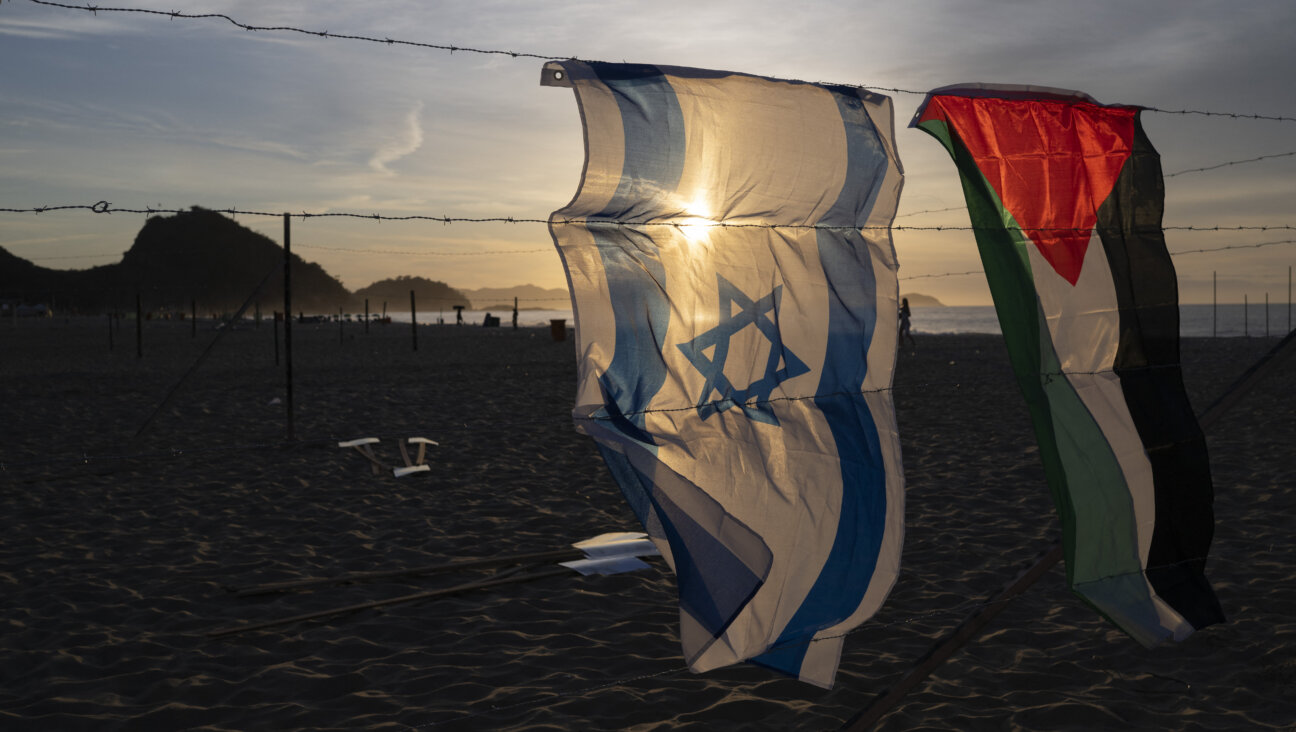
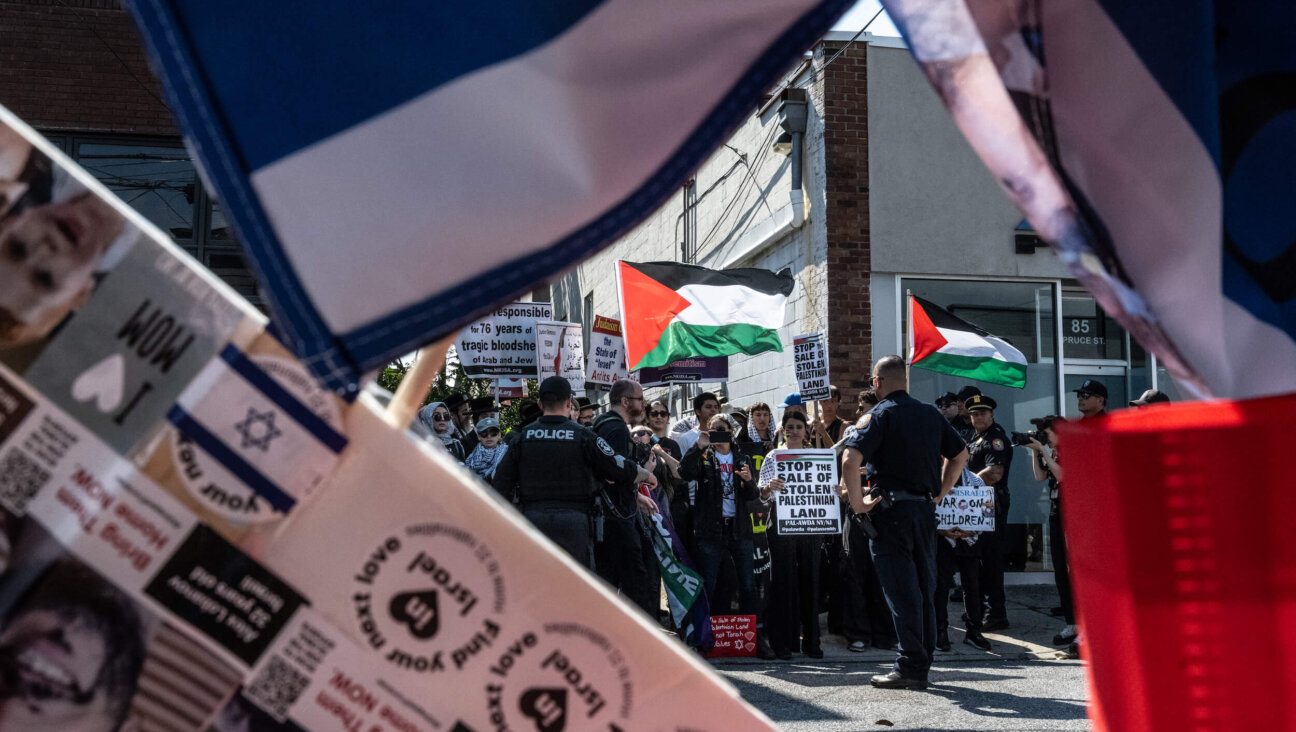
In fact, the answer to the question was no secret. As one world leader after another declared this week, the Muslim world was granting Israel partial recognition in return for its partial withdrawal from the territories. Further steps toward Israel-Palestinian peace will lead to further Israeli-Muslim reconciliation. The message couldn’t have been more blunt.
Pakistani President Pervez Musharraf, who heads the world’s second-largest Muslim nation — and the only one with nuclear weapons — said it flat out last weekend in his address to the American Jewish Congress. His decision to open an informal dialogue with Israel came directly “in response to the bold step taken by Prime Minister Sharon to withdraw from Gaza,” he said. “As the peace process progresses toward the establishment of an independent Palestinian state, we will take further steps toward normalization and cooperation, looking to full diplomatic relations.” In other words, the more you give, the more you get.
That wasn’t a message the Israelis at the U.N. this week wanted to hear. As Shalom and his allies made plain at every opportunity, they regard recognition and equal standing in the world community as a matter of simple justice. Addressing Palestinian complaints, by contrast, they view as a political matter, and a complicated one at that. Give us now what is ours by right, they say to their diplomatic interlocutors, and leave us alone to solve our local problems with our neighbors. Not surprisingly, their interlocutors aren’t biting. If we pay everything in advance, they say, what’s to guarantee you’ll keep up your end? It’s hard not to suspect that in the minds of a few Israelis, that’s just the idea.
In fact, most Israelis understand that they need to separate themselves from the Palestinians, for the sake of both nations. They recognize that the stakes aren’t merely local; moving toward coexistence results in greater world acceptance, and increased tension moves them backward. That’s why Sharon did what he did in Gaza. It’s why pressure is now mounting for a new Israeli political alignment that will continue the process of reconciliation. It was the spokesmen at the U.N. this week who were out of touch.
Why I became the Forward’s Editor-in-Chief
You are surely a friend of the Forward if you’re reading this. And so it’s with excitement and awe — of all that the Forward is, was, and will be — that I introduce myself to you as the Forward’s newest editor-in-chief.
And what a time to step into the leadership of this storied Jewish institution! For 129 years, the Forward has shaped and told the American Jewish story. I’m stepping in at an intense time for Jews the world over. We urgently need the Forward’s courageous, unflinching journalism — not only as a source of reliable information, but to provide inspiration, healing and hope.
Support our mission to tell the Jewish story fully and fairly.