Encounter With Alekhine

Graphic by Angelie Zaslavsky
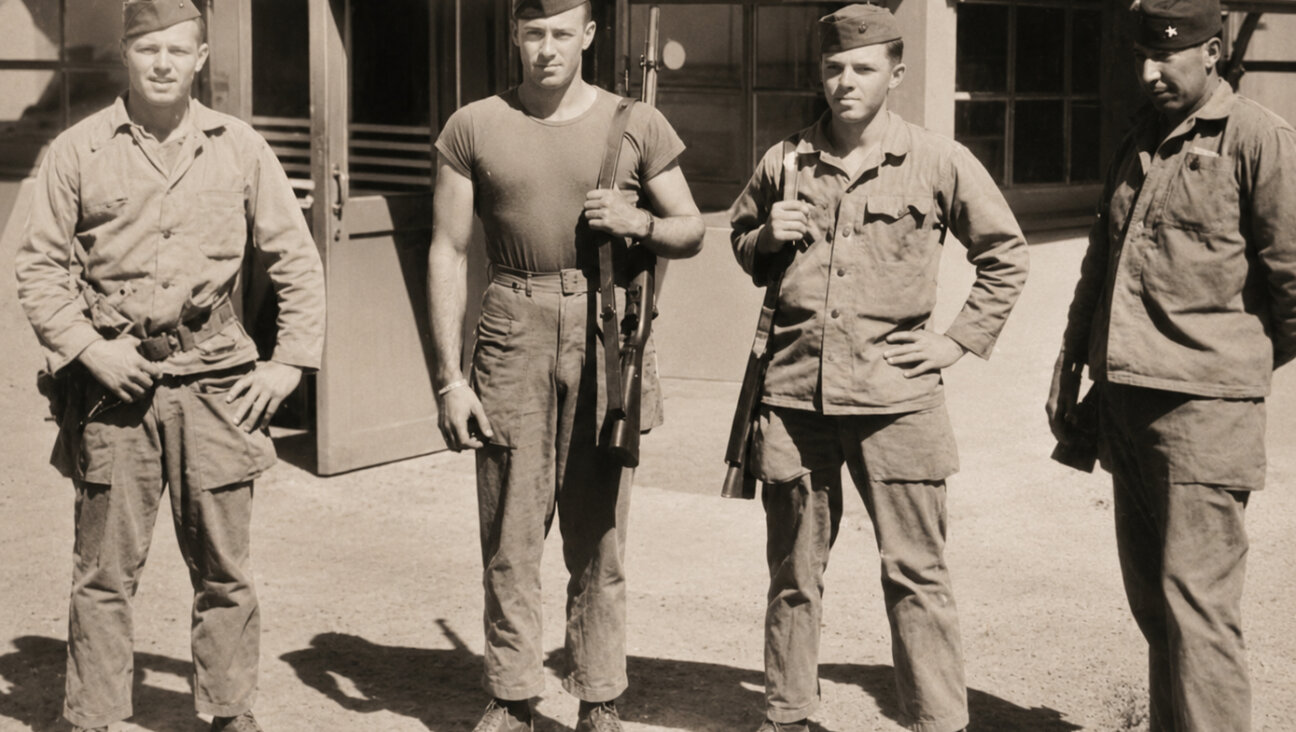
My father, Otto Feuer, had been a chess champion (he won the Belgian title in 1936), and his hero had always been the Russian chess champion Alexander Alekhine. One day, in the Buchenwald latrine, Otto came upon what he thought was a miracle of sorts: There on the ground was a page from a recent German chess magazine, undoubtedly discarded by an SS guard, with an article by, of all people, Alekhine. Otto’s mood soared — until he began reading. Then he discovered that Alekhine had become a rabid anti-Semite and Nazi sympathizer. The article was all about the evils of “Jewish chess.” Otto sank into an especially low depression. But then there was another uplift, because it occurred to him that if he was still capable of experiencing both joy and sorrow, it must mean that not even the Nazis could destroy his humanity. And this awareness, that he was still human, gave him hope and the will to continue. He was liberated April 11, 1945, when American troops came to Buchenwald. Aharon Appelfeld has written that “in the Holocaust there was no room for thought or feeling….” I have a different view, based on my father’s encounter with Alekhine.
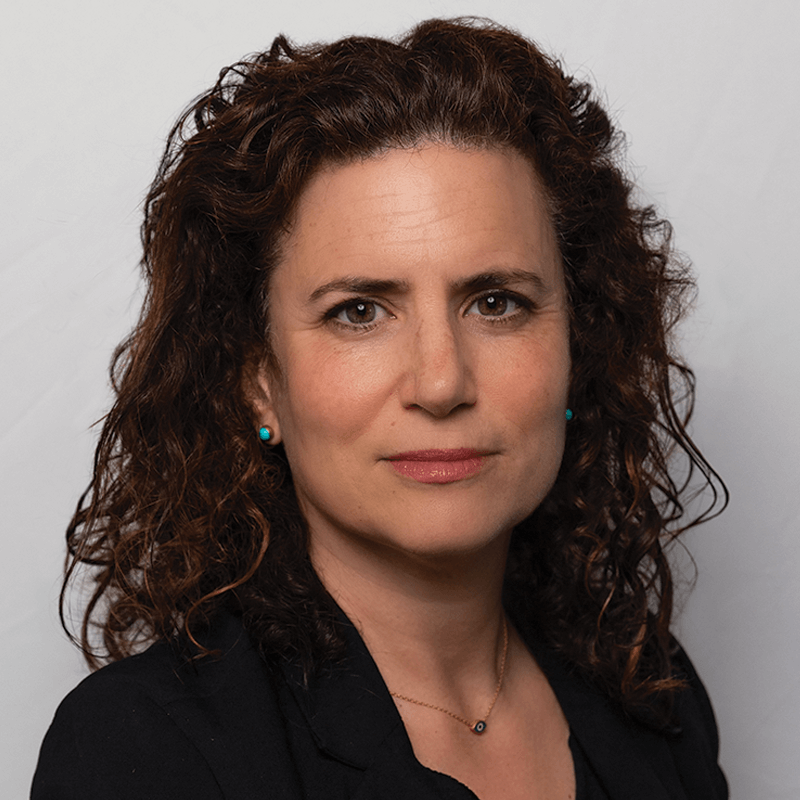
Michael J Feuer, is a dean and professor of education at The George Washington University.
Did you know that only 2% of Forward readers donate to support our nonprofit newsroom? That 2% make it possible for millions to read the Forward without a paywall or subscription — removing any barriers to the full and fair Jewish story.
But while the Forward is free to read, it isn’t free to produce. Big stories — like deep dives into the antisemitism data, political scoops or reporting trips to college campuses — take months of research and fact-checking. All while we keep you informed of what you need to know each day.
— Rachel Fishman Feddersen, Forward Publisher & CEO
Support our mission to tell the Jewish story fully and fairly.